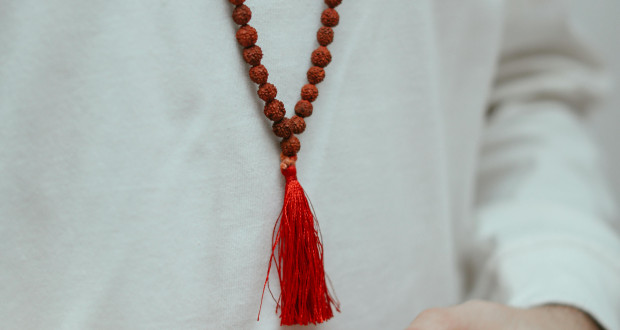
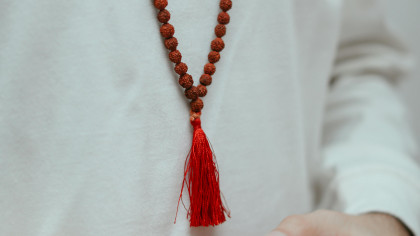
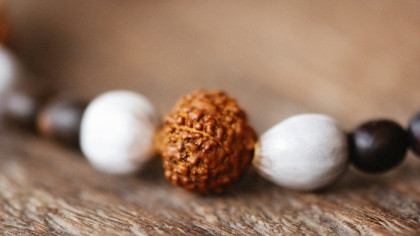
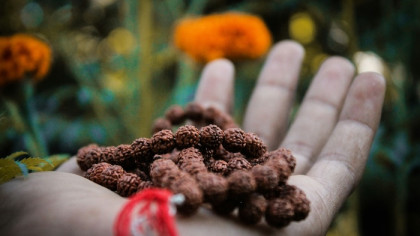
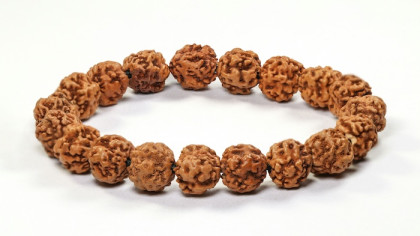
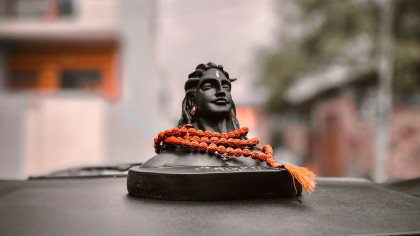
What Is Rudraksha in the Yogic Tradition? In the yogic tradition, nothing is worn casually. Each element has a purpose – not as an outward expression, but as a way of creatin[...]
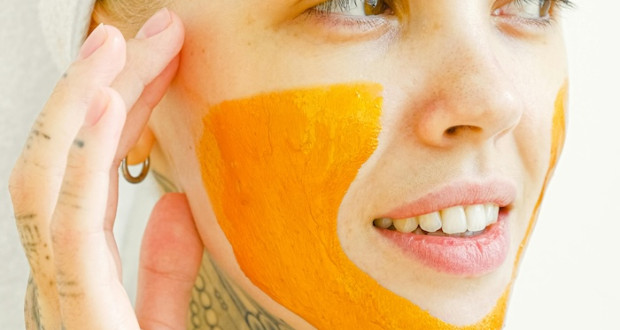
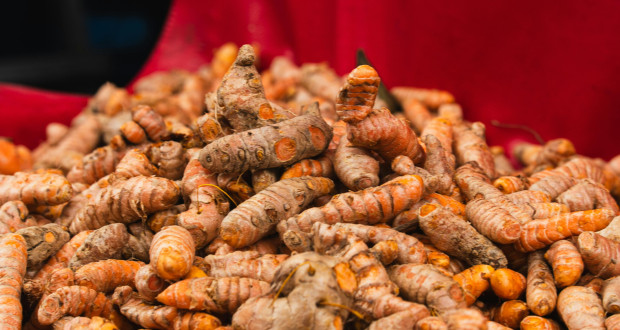
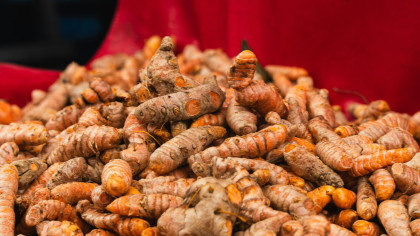
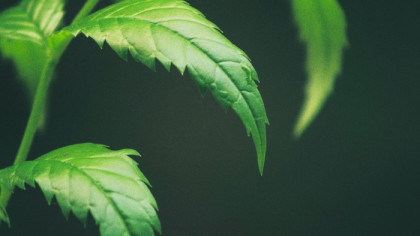
Neem and turmeric have long been used in traditional skincare practices across India. Both plants are valued not only in cooking and household remedies but also in simple preparati[...]
Across many traditional cultures, plants like turmeric and neem have been valued not only for their practical uses but also for the way they connect daily life to the living earth.[...]
In many traditional food cultures, bitter flavours were once an important part of the diet. While modern tastes often favour sweet, salty, and rich foods, earlier traditions recogn[...]
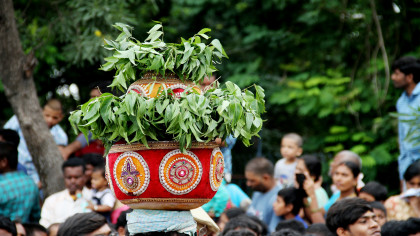
In many parts of India, neem and turmeric are not only valued for their practical uses but also hold an important place in traditional rituals and festivals. These plants are often[...]
Where Rudraksha comes from, how it has been used, and why it continues to be part of yogic practice today. One of the most striking moments during Mahashivratri at the Isha Yoga Ce[...]
There are certain symbols that are not meant to impress others, but to remind us of something within ourselves. Rudraksha is one such symbol. Often associated with yogis and seeker[...]
Jewelry has always been our most intimate form of storytelling. Whether it’s the heirloom gold passed down at a Wedding, a bold fashion piece on a Parisian runway, or the daily wat[...]
Few spiritual objects carry as many assumptions as the Rudraksha. To some, it’s a sacred icon; to others, a fashion statement. For the curious newcomer, it often feels like a puzzl[...]