
We live in an age shaped by immediacy. When something is out of balance, we expect it to be corrected quickly. When change does not occur at once, it is easy to assume that nothing is happening. Yet the body does not organise itself according to urgency. It follows processes that unfold gradually, in rhythms that cannot be hurried without consequence.
Many of the body’s most essential restorative functions operate over weeks and months rather than days. Skin renews itself through cycles. Internal systems adjust through repeated signals and responses. Stability emerges not from sudden intervention, but from consistency. What appears slow from the outside is often simply the natural pace at which living systems return to equilibrium.
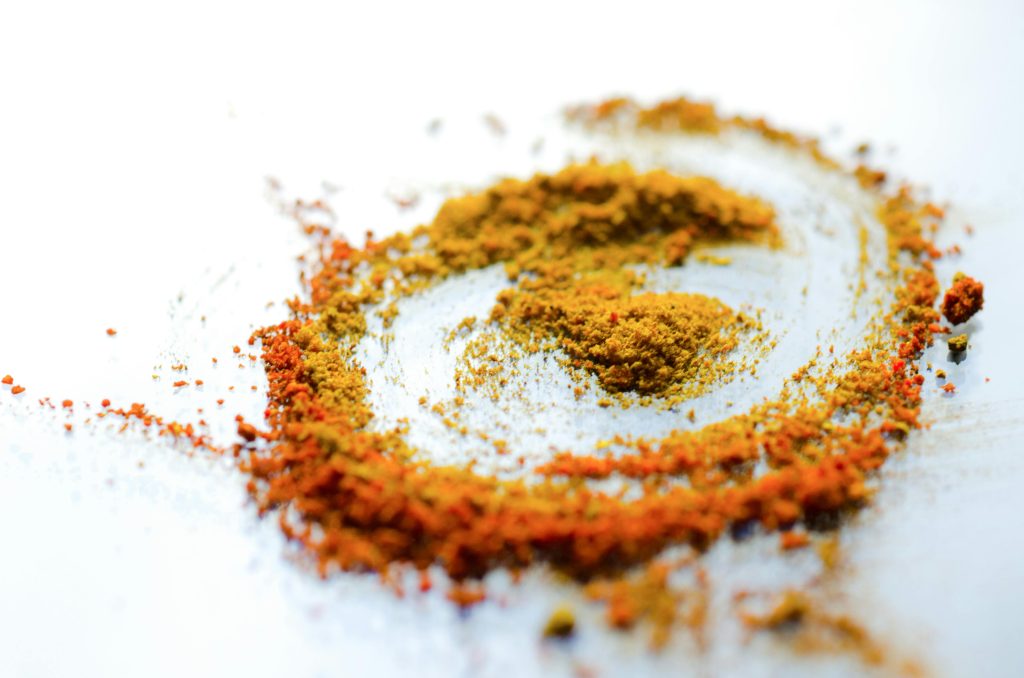
For much of human history, this was understood intuitively. Substances such as neem and turmeric were not introduced as dramatic measures intended to override the body’s intelligence. They were incorporated into daily life in ways that allowed their effects to accumulate gently over time. Their presence was steady rather than urgent, reinforcing balance through continuity rather than disruption.
This gradual relationship reflects a deeper recognition: restoration is not something imposed upon the body, but something the body moves toward when properly supported. When supportive elements are introduced consistently, they do not force change, but create conditions in which change can occur naturally. Over time, small adjustments become integrated, forming a more stable foundation than any rapid correction could achieve.
Modern expectations can sometimes obscure this quieter process. When accustomed to immediate results, it is easy to overlook subtle shifts that take place beneath the surface. Yet it is often these incremental changes that endure. What develops slowly has the opportunity to stabilise fully, becoming part of the body’s ongoing functioning rather than a temporary alteration.
As Sadhguru observes, “Nature does not know instant gratification. Nature builds everything step by step.” This understanding reflects a fundamental truth about living systems. Time is not merely the background against which restoration occurs, but an active participant in the process itself.
When we begin to recognise this, patience is no longer experienced as waiting for something to happen. It becomes a form of cooperation with processes already underway. The steady use of supportive substances such as neem and turmeric reflects this principle. Their effects are not defined by immediacy, but by continuity. In accompanying the body over time, they reflect a relationship based not on urgency, but on alignment, one that allows restoration to unfold at the pace life itself requires.

Plus receive a free eBook by Sadhguru