
In warm climates, during travel, or at times of physical stress, many people notice changes in their skin. Areas that remain damp or enclosed, such as the feet, scalp, or skin folds, may become irritated, itchy, or uncomfortable. These imbalances are common and often reflect the way modern life places new demands on the body.
As Sadhguru has observed, “If this system is kept in a certain way, health exudes by its own nature.” (Source: Health and Wellness, Isha Foundation) https://isha.sadhguru.org/en/wisdom/article/health-and-wellness
This perspective invites a more patient and attentive approach to everyday care, one that works with the body rather than attempting to override it.
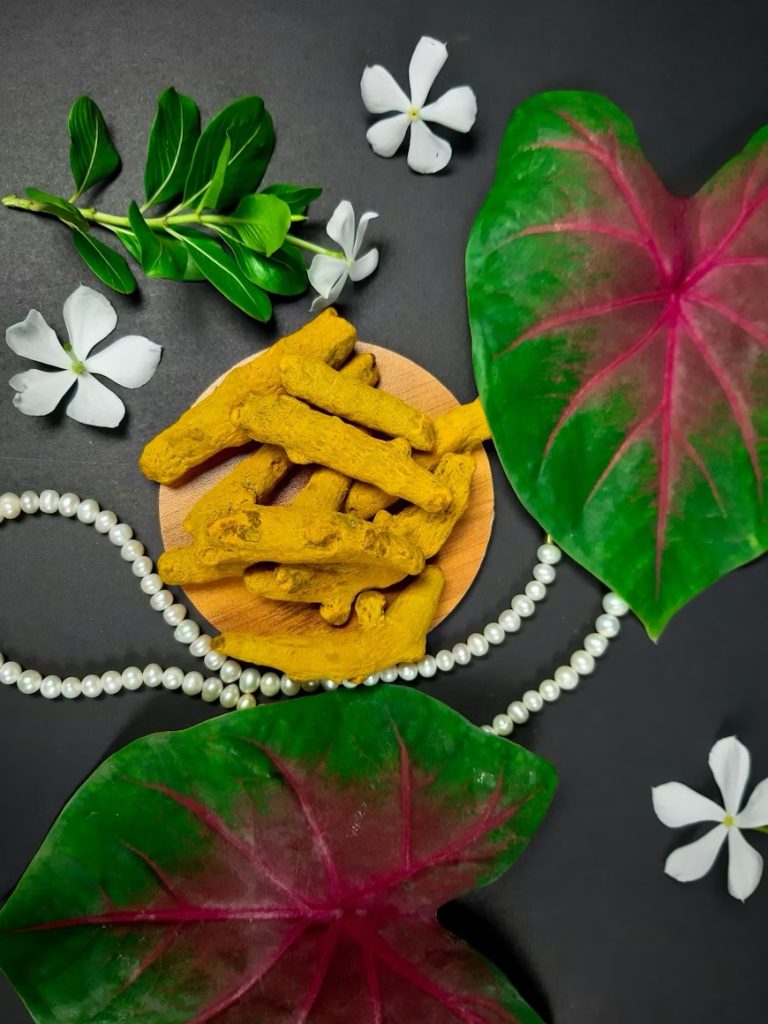
In many cultures, plants such as neem and turmeric have long been valued for their ability to support everyday skin comfort and balance. Especially in warm and humid environments, neem was traditionally used as part of daily hygiene practices. Its bitter leaves and cleansing qualities made it a natural companion in maintaining skin clarity. Turmeric, with its warming and soothing nature, was also used to support the skin’s resilience and recovery.
Rather than being applied only when discomfort appeared, these plants were integrated into daily routines. Consistency was considered more important than intensity. This approach reflects a broader understanding that wellbeing is sustained through regular attention rather than occasional intervention.
Modern habits can easily disrupt this rhythm. Long hours in closed shoes, synthetic clothing, frequent travel, irregular sleep, and ongoing stress can all affect the skin’s natural balance. When moisture and warmth are trapped for extended periods, irritation may develop.
A gentle approach begins with simple daily practices. Keeping the skin clean and thoroughly dry, wearing breathable fabrics, and allowing air circulation whenever possible can make a significant difference. After bathing, careful drying, especially between toes and in skin folds, helps maintain everyday comfort.
Some people choose to include neem-based soaps, cleansers, or oils as part of their routine. Used in moderation, these may support daily hygiene and skin balance. Turmeric-based preparations are sometimes applied sparingly to specific areas, often mixed with natural oils or honey and rinsed after a short period. As turmeric is strongly pigmented, small quantities and patch testing are always advisable.
A simple home preparation may involve mixing a small amount of coconut or sesame oil with a pinch of turmeric and applying it lightly to dry, intact skin for a few minutes before washing. These practices are not intended to force change, but to create supportive conditions in which the skin can function comfortably.
It is also important to recognise that skin health is closely linked to internal balance. Hydration, digestion, immune strength, emotional steadiness, and sufficient rest all influence how the body responds to environmental challenges. When these areas are neglected, the skin often reflects it.
Cultivating sensitivity to one’s own system allows care to become more responsive and refined. As awareness grows around how the body reacts to food, activity, rest, and thought patterns, everyday choices naturally begin to support greater balance.
Natural preparations such as neem and turmeric can support everyday comfort, but they cannot replace antifungal medication or medical treatment when these are required. Persistent, spreading, painful, or worsening symptoms should always be assessed by a qualified healthcare professional. Traditional practices are meant to work alongside modern medicine, not in place of it.
Rather than seeking instant solutions, a steadier approach emphasises patience and consistency. With gentle care, attentiveness, and appropriate guidance when needed, many common skin imbalances can be managed calmly and effectively. When the body is approached with respect and understanding, even small daily practices can become part of a lasting process of wellbeing.

Plus receive a free eBook by Sadhguru