
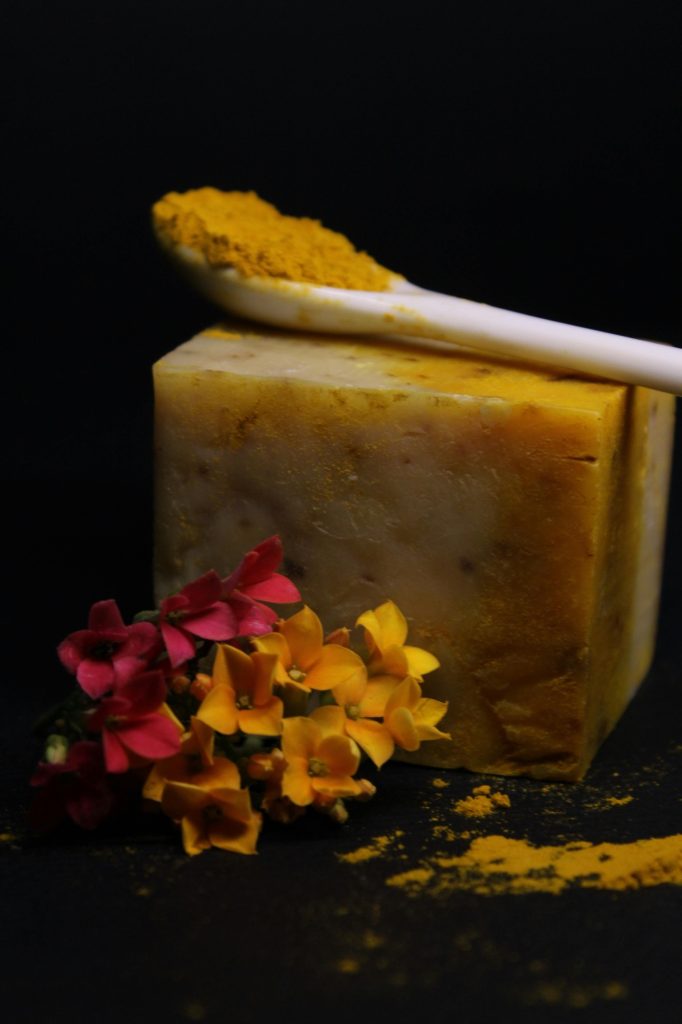
In many kitchens, turmeric appears as a small jar of golden powder, quietly resting among everyday spices. For a long time, it has been easy to think of it simply as something added for colour or flavour, without giving much thought to where it comes from or how it reaches the table.
Fresh turmeric looks very different from the familiar powder. It is a knobbly, earthy rhizome, with slender orange fingers that release their colour at the slightest touch. In many parts of the world, it is still harvested by hand and carefully cleaned of soil. Traditionally, the roots are boiled, dried in the sun, polished, and then ground into powder. This slow and attentive process helps preserve both its colour and its natural vitality.
Neem follows a similarly considered journey. Often called the Indian lilac, it is a resilient tree whose leaves, bark, flowers, and seeds have long been valued in traditional wellbeing practices. Its delicate white blossoms appear briefly each year, while the bitter leaves are gathered and dried with care. Each part reflects a quiet relationship between plant, climate, and human life.
This journey also invites reflection on the role of healthy soil in sustaining life. As Sadhguru has observed, “What is good for the soil is always good for your body because your body is just an embodiment of soil.” (Source: Health and Longevity, Isha Foundation) https://isha.sadhguru.org/en/wisdom/article/health-and-longevity
When soil is cared for, it continues to nourish plants and people alike, allowing even humble roots and leaves to retain their vitality.
Understanding this transformation encourages a deeper appreciation for what we consume. When food is grown and prepared with care, it supports not only physical health but also a sense of balance. What reaches our plate carries the imprint of how it was nurtured, harvested, and handled.
In recent years, fresh turmeric root has become more widely available in international food stores and some larger supermarkets. Grated into warm water with a little ginger and honey, it makes a gentle, comforting tea. Added in small amounts to vegetables, soups, or lentils, it brings warmth and depth to simple meals. A little goes a long way, and its vivid colour serves as a reminder of its potency.
For those who cannot find fresh turmeric, good-quality powder remains a valuable companion. Used consistently and in moderation, it has long been part of traditional food systems that support digestion and general wellbeing. Rather than being seen as a “superfood,” turmeric is best understood as something that quietly supports the body when woven into daily life.
Neem, too, has traditionally been integrated into everyday routines. In many cultures, it has been used in simple hygiene practices, in plant-based preparations, and in seasonal self-care. This integration reflects a deep understanding: wellbeing is sustained through regular attention rather than occasional intervention.
In traditional systems, turmeric and neem were never isolated as remedies. They were part of cooking, seasonal rhythms, and simple household practices. This consistency was considered more important than intensity. When wellbeing becomes part of everyday living rather than a response to problems, it is more likely to endure.
Natural preparations can support everyday balance, but they cannot replace medical treatment when it is required. Persistent or worsening symptoms should always be assessed by a qualified healthcare professional. Traditional practices are meant to work alongside modern medicine, not in place of it.
From a humble rhizome beneath the earth to a golden presence in the kitchen, and from the leaves of a resilient tree to gentle daily use, turmeric and neem carry centuries of human experience. By taking time to understand their journey, we may rediscover a quieter, more conscious relationship with what we eat and how we care for ourselves, rooted in patience, respect, and attentiveness.

Plus receive a free eBook by Sadhguru