
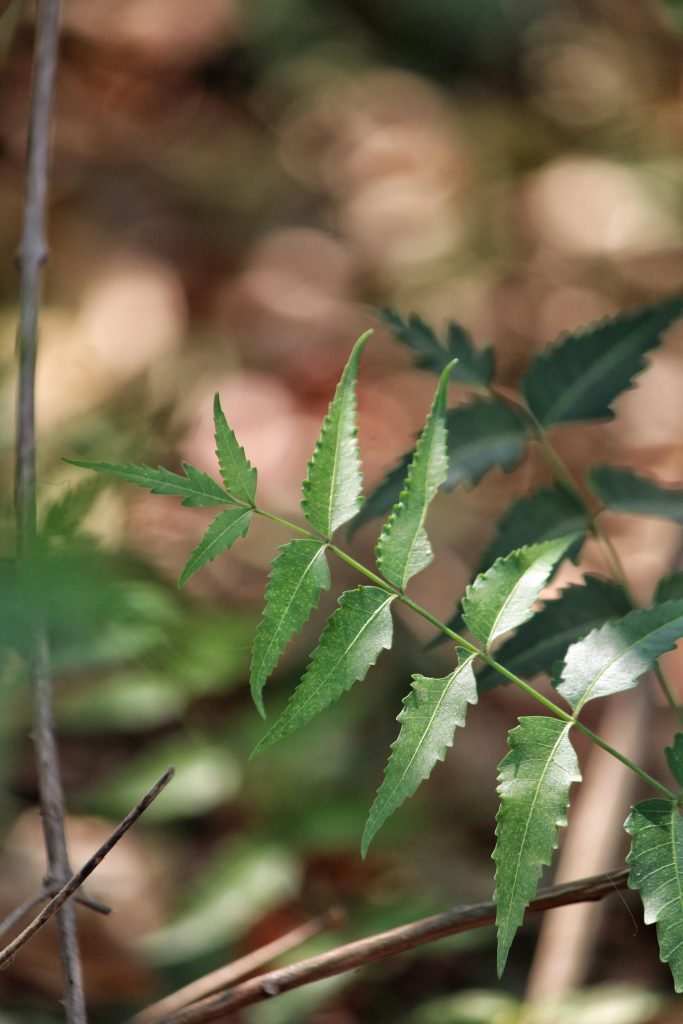
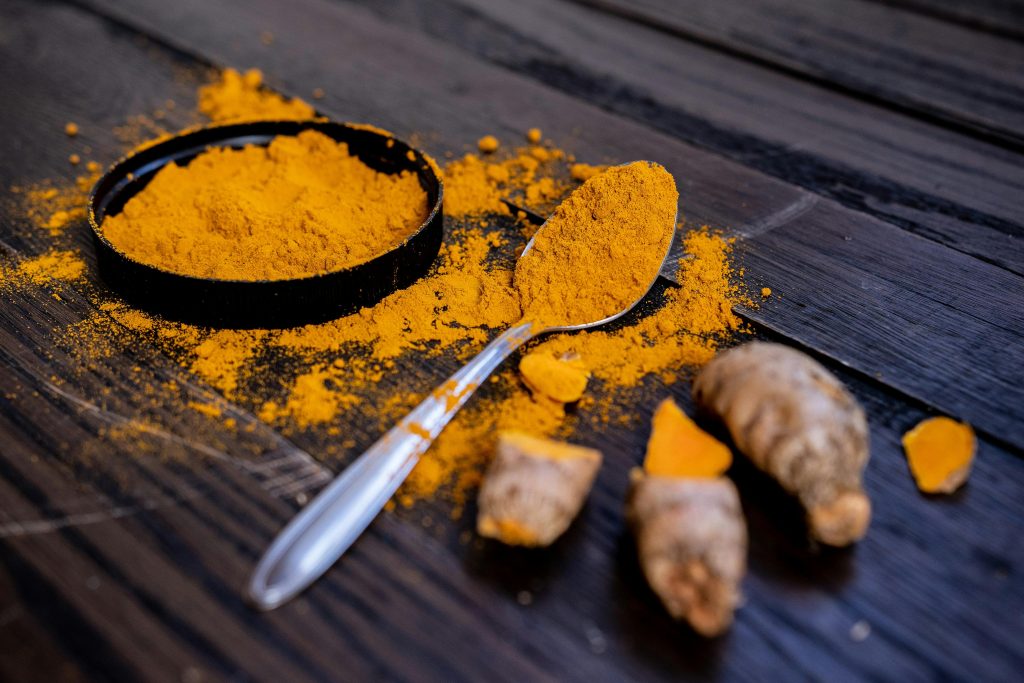
Neem and turmeric have long been used in traditional systems of medicine, including Ayurveda and Siddha, to support the body’s natural response to inflammation and joint discomfort. In everyday life, they are often valued not as “treatments”, but as gentle, ongoing supports woven into food and routine.
In the yogic tradition, turmeric is sometimes described in terms of “system cleansing” and restoring balance. Sadhguru has spoken about it as supporting clarity and lightness in the body, as well as reducing physical inertia. Framed in this way, neem and turmeric are understood as part of a broader approach to maintaining comfort and vitality, rather than as targeted medical remedies.
Modern research has begun to explore these traditional uses more closely. Turmeric contains curcumin, a compound known for its anti-inflammatory and antioxidant properties, while neem contains several bioactive compounds associated with anti-inflammatory and immune-modulating effects. Together, these help explain why both plants continue to be studied today.
Most research suggests that their effects are modest rather than dramatic. They are best understood as complementary supports rather than replacements for medical care.
At Isha gatherings and retreats, people of all ages come together for sadhana. Some move easily. Others use cushions, chairs, or gentle adaptations to support stiff joints or old injuries. These adjustments are made quietly, without fuss, reflecting an understanding that practice is about consistency and care rather than physical perfection.
Within this context, traditional supports such as neem and turmeric are often seen as small, practical allies rather than dramatic solutions.
Many people prefer to include turmeric and neem in everyday routines rather than relying on high-dose supplements. Turmeric is commonly used in cooking, added to soups, lentils, vegetable dishes, or sprinkled with black pepper over boiled eggs. When taken with fats and spices, its active compounds are more easily absorbed.
Some people prepare simple pastes or mild infusions. Others choose capsules for convenience, though these are best used cautiously. Neem is generally used in smaller amounts, as it is more potent than turmeric.
Used in this way, these plants become part of everyday nourishment rather than a form of self-medication, offering gentle, ongoing support alongside movement, rest, and appropriate medical care.
Although turmeric and neem are natural substances, they are biologically active. Using them in ordinary cooking is generally low risk for most people. A little extra care is sensible when using concentrated supplements.
Pregnant women, people managing long-term health conditions, or those taking regular medication are advised to seek professional guidance before using high-dose products. Reading packaging information carefully and choosing reputable suppliers is also important.
A helpful principle is: Food first. Supplements second. Advice when unsure.
Neem and turmeric have been part of traditional approaches to wellbeing for centuries, and modern research continues to explore their potential benefits. Used thoughtfully, they can offer gentle support for people living with everyday stiffness and discomfort.
Above all, they work best when they are part of a wider pattern of care – regular movement, adequate rest, nourishing food, and appropriate medical advice when needed.
In this way, they become quiet companions in daily life, supporting comfort and continuity rather than promising quick solutions.

Plus receive a free eBook by Sadhguru