

There is a significant difference between a supplement found on a drugstore shelf and the way botanicals have been utilized for over 4,000 years. For most of human history, Turmeric (Curcuma longa) and Neem (Azadirachta indica) weren’t treated as “alternative” interventions; they were foundational elements of a well-lived life.
As modern science begins to catch up—with institutions like Harvard Health analyzing the bioactive potential of curcumin—there is a growing movement to return to the original, time-tested preparations. These methods prioritize the synergy of the whole plant over isolated extracts, offering a more integrated path to daily wellness.
1. The Morning Systemic Cleanse
In the Isha tradition, Neem and Turmeric are taken together first thing in the morning. This is considered a fundamental practice for internal clarity and cellular health.
- Mix a small amount of Neem powder with a few drops of water to form a marble-sized ball. Repeat the process with Turmeric powder.
- Swallow both balls on an empty stomach with lukewarm, light honey-water.
- This combination helps cleanse the digestive tract and dilate the cells, allowing them to function more efficiently throughout the day.
2. The Honey-Turmeric Digestive Prime
Combining raw honey with turmeric is a classic method for those who find the spice too sharp. In traditional households, this mixture was used as a “digestive kindling” to prepare the stomach for a meal.
- Mix 1 part turmeric powder into 2 parts raw, unprocessed honey until it forms a smooth, thick paste.
- Take a small spoonful about 20 minutes before a meal.
- Johns Hopkins Medicine notes that turmeric supports digestive health, while the honey provides a soothing coating for the system.
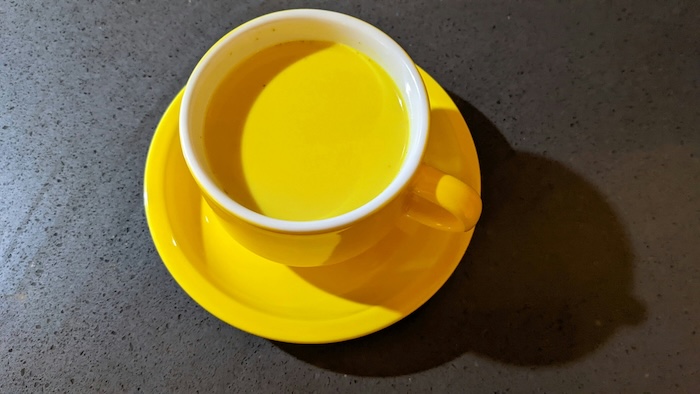
3. Haldi Doodh (Milk): The Bioavailable Tonic
Traditional Haldi Doodh is a calculated delivery system, not just a beverage. Because curcumin is fat-soluble, it requires a lipid “carrier” to be absorbed by the body.
- Gently simmer turmeric in warm milk (dairy or plant-based) with a pinch of black pepper.
- The piperine in black pepper significantly enhances absorption. This preparation allows the plant’s antioxidant properties to support the body’s natural inflammatory response after a long day.
4. The “Village Pharmacy” Topical Paste
In South Asia, the Neem tree is known as the “Village Pharmacy.” When combined with turmeric, it creates a powerful topical application that has been documented in Ayurvedic texts like the Charaka Samhita for centuries.
- Grind Neem leaves (or use powder) and mix with turmeric and a small amount of water or coconut oil to form a paste.
- Data indexed by the NIH highlights the historical use of these plants as mild antiseptics and soothing agents for seasonal skin flare-ups.
Moving Beyond the Quick Fix
The legacy of these ancient preparations is found in their consistency. They were never intended as high-dose “miracle cures” to be taken in a moment of crisis. Instead, they represent a lifestyle of observation and support—a way to maintain the body’s internal environment before a minor stressor becomes a systemic issue.
By stepping away from the “pill for every ill” mindset and adopting these whole-plant traditions, we tap into a lineage of resilience that has been refined over millennia. In a fast-paced world, these daily habits offer a return to a more grounded, balanced form of self-care.
Disclaimer
This article is for educational purposes and does not constitute medical advice. Consult a qualified healthcare professional before using turmeric therapeutically, especially if pregnant, nursing, on medication, or managing a health condition. Individual responses to turmeric and curcumin vary, and scientific understanding continues to evolve.

Plus receive a free eBook by Sadhguru