
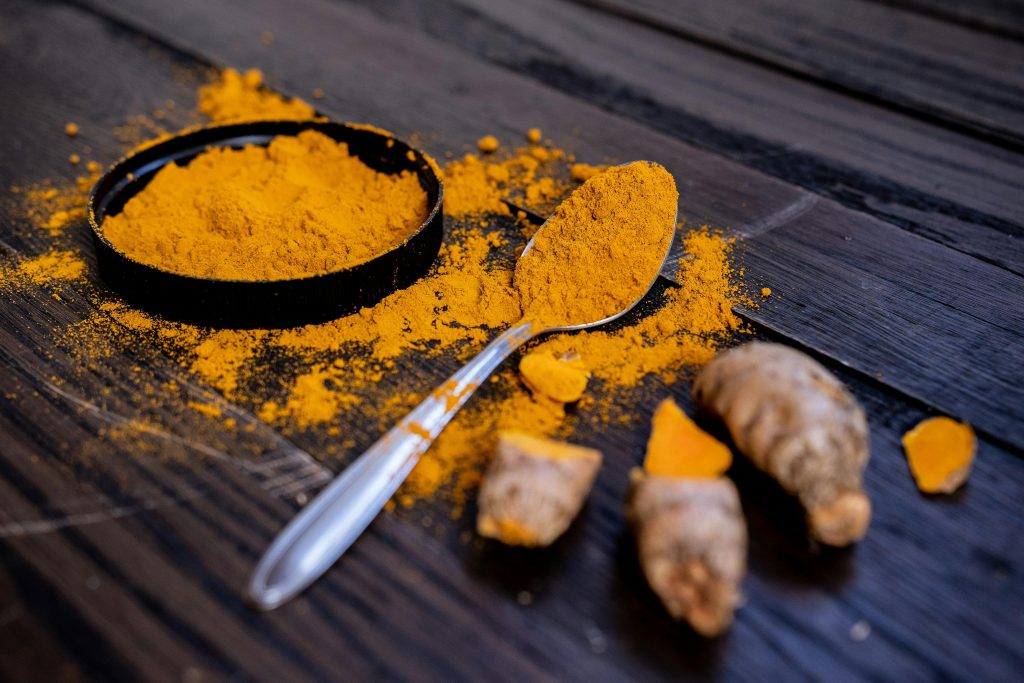
The Unscripted, Globe-Trotting Life of Turmeric
Long before it was frothed into lattes or sealed into supplement bottles, turmeric lived a quiet, grounded life in the warm soils of India. Around 3000 BCE, along the Indus Valley, its golden rhizomes were pulled from the earth and crushed into dye.
The clothes turned sunlit yellow.
Ritual threads deepened in color.
Kitchens began to glow with turmeric-spiced rice.
By 1500 BCE, as Ayurveda took shape, turmeric was woven into daily living—valued for digestion, balance, and vitality. It moved seamlessly between the sacred and the everyday—applied in temple ceremonies, rubbed into newborns’ skin for protection, and simmered in pots of spiced lentils and vegetables.
And then, carried by curiosity and trade, it began to travel.
Caravans, Camels, and Monsoon Winds
The Silk Roads and the Sea
Merchants carried turmeric east and west along ancient trade routes. By 500 BCE, it had reached China, where it entered Traditional Chinese Medicine as jiang huang. There, powdered turmeric was stirred into herbal concoctions to invigorate blood and soothe aches, while its warm hue brightened paper scrolls and ceremonial silks.
Southward, monsoon winds guided spice-laden ships toward Indonesia, Malaysia, and Thailand. In bustling markets, turmeric arrived in vibrant piles, bright as marigolds. Cooks stirred it into golden coconut curries, while local healers ground it into pastes for skin and tonics for vitality. Over time, it became part of agricultural rhythms, its scent blending with lemongrass and ginger in sunlit kitchens.
Wherever it arrived, turmeric blended with what already existed—never replacing, always harmonizing.
Golden Across Deserts and Coasts
Persia, Arabia, and East Africa
Between the 8th and 12th centuries, expanding trade networks carried turmeric westward into Iran and across the broader Middle East. In Persian kitchens, cooks dusted it over saffron-tinged rice, stirred it into lentil stews, and painted wedding garments with its golden glow.
Along the Swahili Coast of Kenya and Tanzania, turmeric mingled with coconut, chili, and cloves. Rice dishes steamed in banana leaves, lentil stews bubbled in clay pots, and turmeric added warmth, color, and a gentle earthiness to every bite.
Turmeric simply added another layer to an already rich tapestry.
A Welcome Guest in Europe
From Trade to Table
When maritime routes opened between Europe and India, turmeric entered ports in Portugal and the Netherlands. Initially treasured for its golden pigment, it gradually entered kitchens, where cooks experimented with sauces, mustards, and baked goods, fascinated by its bright hue and subtle earthiness.
In the United Kingdom, spice blends inspired by South Asian cooking introduced turmeric to curries and roasted vegetables. Over time, the smell of turmeric simmering with onions and garlic became a comforting aroma in homes far from its tropical birthplace.
Across Oceans, Carried by Community
The Caribbean and the Americas
In the 19th century, immigrants carried turmeric to Trinidad and Tobago and Guyana, where it became central to richly spiced curries, peppery stews, and festive rice dishes. The bright golden powder stirred into coconut milk and scotch bonnet sauces was as much about flavor as it was about memory and identity.
In the United States and Canada, turmeric first flourished in immigrant households. Over time, wellness enthusiasts added it to teas, golden lattes, broths, and smoothies, drawn by its earthy aroma, vivid color, and curcumin’s antioxidant reputation. Institutions such as the Cleveland Clinic began studying it, bridging tradition and modern science.
Today, turmeric continues to flavor kitchens, nourish bodies, and inspire chefs, herbalists, and home cooks alike.
A Truly Global Ingredient
Still Traveling
In multicultural cities across Australia, turmeric enriches broths, curries, and plant-based dishes. Across South America, Africa, Europe, and Asia, it grows, is studied, and is celebrated. Its beauty lies not just in travel, but in adaptation: sacred and foundational in India, daily and ceremonial in Southeast Asia, warming dishes across Africa and the Middle East, and connecting heritage and innovation in the Caribbean and Americas.
From ancient riverbanks to modern kitchens and labs, turmeric’s journey is a quiet testament to exchange—an enduring golden thread connecting continents through food, healing, and shared human experience.
A root that refused to stay home.
A color that learned every language it touched.

Plus receive a free eBook by Sadhguru